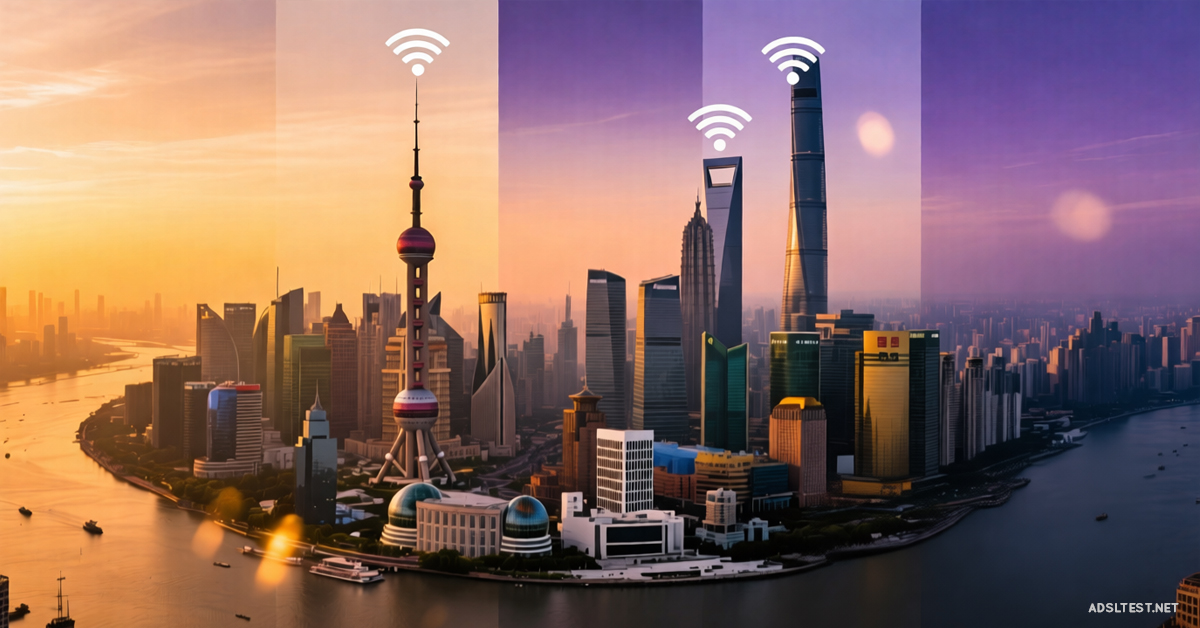
The Global Benchmark in 2026: Defining “Fast”
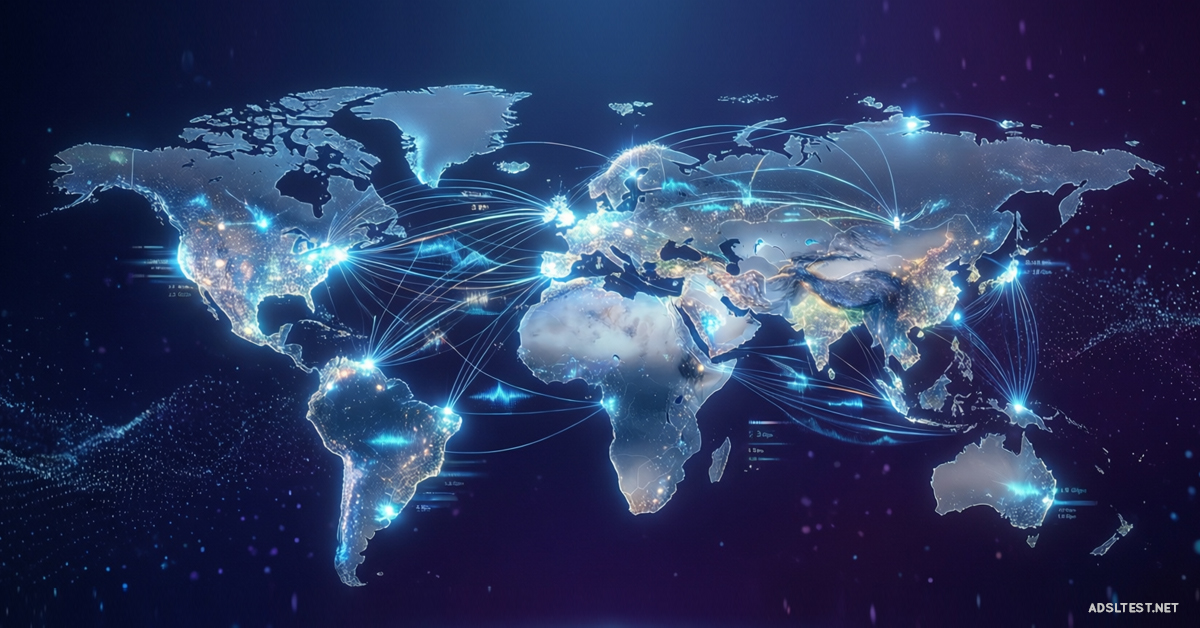
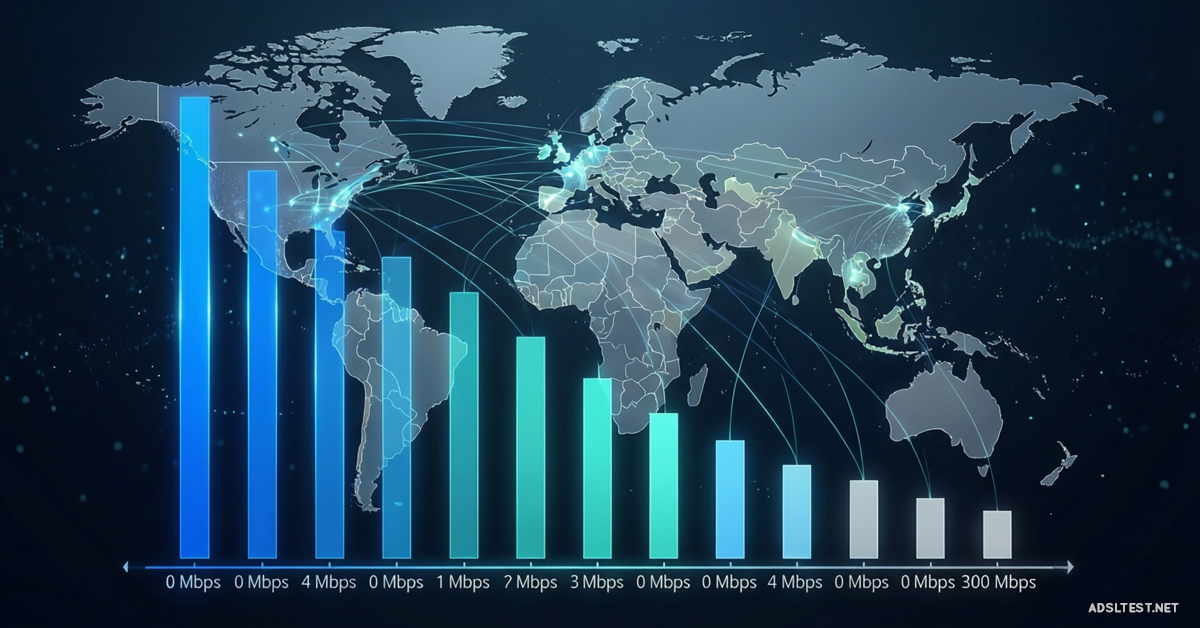
By 2026, the global average for fixed home broadband speed is projected to surge past 250 Mbps. For context, that’s a dramatic leap from just a few years prior. This speed allows for multiple 4K streams, large-file downloads in seconds, and lag-free cloud gaming—all simultaneously. However, this “global average” is a tale of two realities, masking a staggering gap between leading nations and those still building out essential infrastructure.
🏆 The Frontrunners: Nations Setting the Pace
A handful of countries, through aggressive fiber-optic deployment and policy support, are lapping the field.
🇸🇬 Singapore continues to dominate, with average speeds expected to approach 600 Mbps. Its nationwide full-fiber network is a masterclass in public-private planning.
🇨🇭 Switzerland, 🇩🇰 Denmark, and 🇹🇭 Thailand (a surprising contender due to massive recent investment) are locked in a race, with averages hovering around 450-500 Mbps. In 🇺🇸 the United States, the picture is patchy. While major metro areas like 🇺🇸 New York City and 🇺🇸 Los Angeles enjoy widespread gigabit (1000+ Mbps) availability, the national average is pulled down by vast rural areas, settling around 300 Mbps.
📈 The Rising Middle: Closing the Gap
Many developed nations are in a tight cluster, steadily upgrading their networks.
Countries like 🇬🇧 the United Kingdom, 🇫🇷 France, 🇩🇪 Germany, and 🇨🇦 Canada are seeing averages between 200-350 Mbps. The driver here is the relentless “fiber to the home” (FTTH) rollout, slowly replacing older copper lines. In 🇦🇺 Australia, the completion of the National Broadband Network (NBN) project has finally propelled averages above 250 Mbps, though debates about its cost and technology mix continue.
🌍 The Connectivity Divide: The Road Ahead
For much of the world, 2026 averages tell a different story. In large parts of 🇮🇳 India, 🇮🇩 Indonesia, and 🇿🇦 South Africa, while major cities may have high-speed islands, national averages remain below 100 Mbps. The challenge isn’t just cables in the ground; it’s affordability and the reliance on mobile data as a primary home internet source.
🇧🇷 Brazil and 🇲🇽 Mexico show promising growth in urban centers, but geography and economics create deep inequalities. The global goal is no longer just about speed—it’s about universal, affordable access.
What This Means for Your Home
Why does this matter to you? Your internet speed directly enables or limits your life online.
Remote Work & Cloud Apps: Seamless video conferencing and real-time collaboration require consistent upload speeds, a key strength of fiber.
Entertainment: The rise of 8K streaming, virtual reality (VR) platforms, and immersive gaming will demand connections well over 100 Mbps per device.
The Smart Home: With dozens of connected devices, from security cameras to smart appliances, your network needs robust bandwidth just to keep everything running smoothly.
Future-Proofing Your Connection
If you’re planning an upgrade or move, prioritize fiber (FTTH) if available. Look beyond the download number; check the upload speed (critical for video calls and file sharing) and the provider’s reliability. For rural areas, fixed wireless (like 5G home internet) and emerging low-orbit satellite services are becoming genuine, high-speed alternatives.
The bottom line? By 2026, a “good” internet speed is contextual—shaped by your country’s infrastructure and your city’s investment. The global trend is explosively upward, yet the gap between the connected and the under-connected remains the most critical story of all. Staying informed is your first step to ensuring you’re not left buffering in the future.